The 2026 edition of “ZeroedIn: The Brand Marketing Pulse” is now live.
With California already shaping corporate climate reporting, New York is now moving toward its own mandatory disclosure regime. The proposal positions the state to become a major driver of emissions transparency on the U.S. East Coast, particularly as federal regulation remains extremely limited.
For companies that may fall within scope, early preparation is essential. Below is a structured overview of the proposal, how it compares with existing rules, and what organisations should do next.
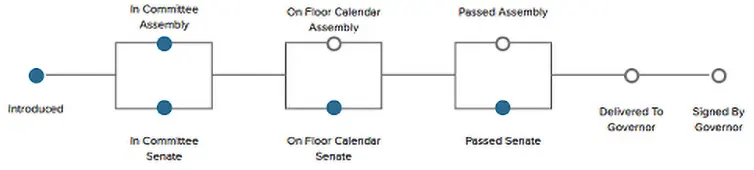
The New York Climate Corporate Data Accountability Act (CCDAA) – Senate Bill S3456 – was passed by the New York State Senate on 10 February 2026 and is now under consideration by the Assembly.
The legislation would require large businesses operating in New York to publicly disclose greenhouse gas (GHG) emissions annually.
The Act applies to:
Reporting entities must publish annual emissions reports covering all three GHG scopes:
Scope 1 — Direct emissions
Emissions from sources owned or directly controlled by the company, regardless of location.
Scope 2 — Purchased energy emissions
Indirect emissions from electricity purchased and consumed.
Scope 3 — Value chain emissions
Indirect emissions across the company’s value chain that are not owned or controlled by the company.
Requiring Scope 3 disclosure is a major feature of the Act, addressing longstanding concerns that corporate reporting often misses the majority of real-world climate impact.
Companies must calculate emissions using Greenhouse Gas Protocol standards, ensuring consistency with international reporting frameworks.
All disclosures would be published on a centralised digital platform, enabling:
The Act proposes a phased rollout to ease implementation:
Key milestones
Independent verification
The proposal closely mirrors legislation in California – SB253 – aiming to create consistent climate disclosure expectations across major U.S. markets.
Both frameworks require:
In New York, administration would sit with the New York Department of Environmental Conservation, embedding the Act within environmental conservation and state finance law.
California’s equivalent law has faced legal challenges from the U.S. Chamber of Commerce, while New York’s proposal is still progressing through the legislative process.
Implication:
Companies already preparing for California compliance can reuse much of their groundwork for New York.
Although both focus on emissions data, the two frameworks serve distinct purposes.
Existing GHG Reporting Program
Proposed CCDAA
Some organisations may need to comply with both, making integrated reporting systems critical.
Organisations potentially in scope should begin preparations now.
Immediate actions
Robust data collection is essential. Non-compliance could lead to financial penalties, reputational damage, and reduced stakeholder trust.
Manual compliance will be challenging, particularly for organisations with complex structures.
Our platform can support:
As climate disclosure expands at the state level, digital tools are becoming central to efficient compliance.
The New York Climate Corporate Data Accountability Act represents a major step toward standardised corporate climate transparency in the United States. By mandating verified Scope 1–3 disclosures, the proposal pushes companies toward more rigorous and comparable reporting practices aligned with global standards.
For companies likely to fall within scope, early preparation will be critical to building reliable, decision-ready climate data systems and avoiding last-minute compliance risk.
Current Bill Status -In Assembly Committee